A Golden Glow: How to Build Radiant Skin, Methodically
Every client who lays on my treatment bed wants the same thing: that quality of skin where light seems to come from within. Not a shimmer. Not a product-applied highlight. Actual luminosity, the kind that makes people ask what you're doing differently.
What I've learned after years of working with skin is that this quality is never accidental. True radiance isn't loud. It doesn't rely on trends or temporary fixes. It's built methodically, through precision, consistency, and products that understand the skin at a cellular level.
This is the protocol I return to. Three steps, each one doing specific work, and together creating the kind of finish the skincare industry loves to call "expensive skin."
Why Most Glow Routines Fall Short
The mistake I see most often is treating radiance as a product problem. Clients layer on serums and facial oils hoping for immediate luminosity, and sometimes they get it, temporarily. But the glow doesn't last because the underlying work hasn't been done.
Skin that glows consistently has three things in common: it's even in tone, smooth in texture, and properly hydrated. Each of those conditions requires a different intervention. That's why a single hero product, no matter how expensive, will rarely get you there alone.
The protocol below addresses all three. In order.
Step 1: Illuminate Where Radiance Begins
VITAMIN C · BRIGHTENING
The first layer of light comes from tone evenness. Hyperpigmentation, subtle discoloration, and uneven texture all scatter light instead of reflecting it, which is why even well-hydrated skin can look dull if the tone isn't addressed.
A well-formulated Vitamin C serum, stable, properly concentrated, and ideally paired with Vitamin E and ferulic acid, is the foundation of any brightening protocol. Its mechanisms are well-documented: it inhibits melanin synthesis, supports collagen production, and neutralizes the oxidative stress that accelerates skin aging and pigmentation.
What to look for:
L-ascorbic acid (the most bioavailable form of Vitamin C) at 10-20% concentration
pH below 3.5 for effective skin penetration
Opaque or airless packaging, as Vitamin C oxidizes rapidly when exposed to light and air
A formula without fragrance if your skin is reactive
Aida's note: Vitamin C is a morning step. Apply after cleansing, before moisturizer, before SPF. Consistency over weeks is what builds the tone-evening effect. This is not a product you'll feel working immediately.
Dull skin doesn't glow. Full stop. No matter how well you hydrate or how many brightening serums you apply, if there's a layer of accumulated dead cells sitting on the surface, light isn't going to reflect the way you want. Texture is the enemy of luminosity.
Precision exfoliation, whether chemical or physical, clears that surface and dramatically improves how the skin reflects light. It also allows every product applied afterward to penetrate more effectively. Think of it as preparing a canvas.
Chemical vs. physical, the distinction that matters:
AHAs (glycolic, lactic acid): work on the surface, ideal for dullness, uneven tone, and dry skin types
BHAs (salicylic acid): go deeper into the pore, better for oily or breakout-prone skin
Enzymatic exfoliants: gentler option, ideal for sensitive skin, use papain (papaya) or bromelain (pineapple) enzymes
Physical scrubs: use only if the texture is genuinely fine; no harsh grain near the face
Step 3: Seal — Protect the Work You Did
HYDRATION · SPF
Glow without protection is temporary. This is where I see clients undo months of careful work. They brighten, they resurface, and then they walk out into UV exposure without SPF, effectively inviting the hyperpigmentation and oxidative damage they just worked to correct.
Hydration does two things for radiance: it gives skin the plumpness that makes light reflect smoothly, and it supports the barrier function that keeps all the prior work intact. A compromised barrier, even a subtly dry one, visually dulls the skin regardless of what else you're doing.
For the final "expensive skin" finish:
Layer a hydrating serum (hyaluronic acid, polyglutamic acid) beneath your moisturizer. Apply to slightly damp skin to maximize absorption.
Choose a moisturizer with barrier-supporting ingredients: ceramides, fatty acids, niacinamide.
Finish with SPF 30-50 daily, mineral or chemical, whichever your skin tolerates. The key is that you use it every single morning.
If SPF leaves a white cast you dislike, tinted mineral formulas or hybrid SPF/moisturizers typically solve this.
Aida's note: SPF is not optional in a brightening protocol. Vitamin C and exfoliation both increase photosensitivity. If you're doing this work and skipping sun protection, you are working against yourself.
The Full Protocol at a Glance
Morning: Cleanse, P50, Vitamin C serum, Moisturizer, SPF
Evening: Cleanse, Exfoliant, Hydrating serum, Moisturizer
Consistency window: noticeable tone-evening results typically appear at 4-6 weeks
The Bottom Line
Radiance is not a skin type you either have or don't. It's a condition you build, through deliberate choices about what you apply, in what order, and with what consistency.
The three steps above, illuminating the tone, refining the texture, and sealing in the work, address the actual mechanics of how skin reflects light. When all three are in place, the result isn't a trend. It's just your skin, at its best.
We give so much attention and care to the skin on our face, but Aida’s approach has always been head to
toe.
The neck. The chest. The arms. The elbows and knees. The stomach...
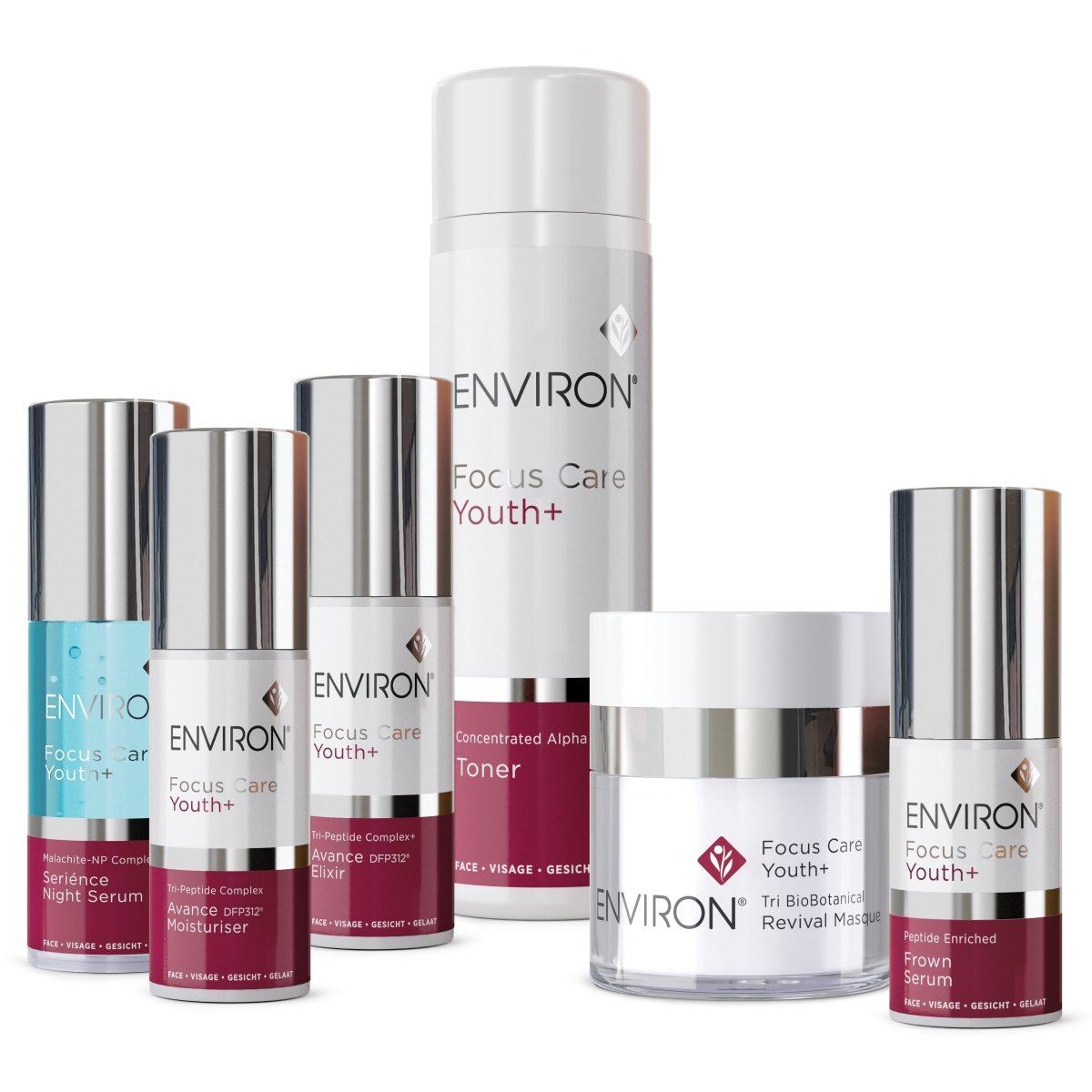
When it comes to results-driven skincare, few brands have earned the trust of skin professionals quite like Environ. Developed by renowned plastic surgeon Dr. Des Fernandes, Env...
Valmont is one of the most serious names in Swiss skincare. Since 1985, the house has built its reputation on cellular science: DNA and RNA complexes, glacial water, and formula...