Rosacea Awareness Month: Understanding Rosacea and the Biologique Recherche Protocol for Calmer Skin
April is Rosacea Awareness Month, a time dedicated to raising awareness about one of the most common yet misunderstood skin conditions affecting millions of people worldwide.
At Aida Bicaj Skincare, we see rosacea-prone skin every day in our treatment rooms in Tribeca and on the Upper East Side, and we know firsthand how frustrating, confusing, and emotionally taxing this condition can be. The good news is that with the right knowledge and the right skincare protocol, rosacea can be managed effectively.
This guide covers everything you need to know about rosacea, from what causes it and how to identify it, to the professional-grade Biologique Recherche products we recommend most for calming, protecting, and restoring rosacea-prone skin.
What Is Rosacea?
Rosacea is a chronic inflammatory skin condition that primarily affects the face. It typically appears on the cheeks, nose, forehead, and chin, and is characterized by recurring episodes of flushing, persistent redness, visible blood vessels, and sometimes papules or pustules that can be mistaken for acne.
The condition most commonly affects adults between the ages of 30 and 60, and is more prevalent among those with fair skin and Northern European heritage. However, rosacea can affect anyone regardless of skin tone, and it is increasingly recognized across a wide range of ethnicities.
According to the National Rosacea Society, more than 16 million Americans are estimated to have rosacea, yet only about 3 million are actively managing their condition. Many people do not realize that what they are experiencing is a treatable skin condition, and others may have tried treatments in the past that did not work for them, leading them to give up.
Rosacea is not something that will resolve on its own. Without proper management, symptoms tend to worsen over time. Early recognition and a consistent, targeted skincare approach are essential.
Rosacea vs. Acne: Why It Matters
One of the most common mistakes people make is treating rosacea the way they would treat acne. The two conditions can look similar on the surface, particularly when rosacea presents with bumps and pustules, but they have very different underlying causes and require very different approaches.
Acne is primarily driven by excess sebum production, clogged pores, and bacterial activity. Rosacea, on the other hand, is rooted in vascular instability, chronic inflammation, and a compromised skin barrier. Applying acne-targeted products, particularly those with strong exfoliating acids, benzoyl peroxide, or retinoids, to rosacea-prone skin can trigger severe irritation, increased redness, and prolonged flare-ups.
If your skin is persistently red, reactive, and sensitive, and over-the-counter acne treatments are making things worse rather than better, it may be time to reconsider the diagnosis entirely. A professional skin analysis can help clarify what your skin actually needs.
Common Rosacea Triggers
Rosacea triggers are highly individual, but research and clinical experience have identified several that affect a large number of people. Understanding and tracking your personal triggers is one of the most effective ways to reduce the frequency and severity of flare-ups.
Sun exposure is the most commonly reported rosacea trigger. UV radiation increases inflammation and dilates blood vessels, both of which directly worsen rosacea symptoms. Daily broad-spectrum sunscreen is essential for anyone managing this condition.
Extreme temperatures are another major factor. Heat, wind, saunas, hot baths, and sudden shifts between warm and cold environments can all provoke flushing and redness.
Dietary triggers include spicy foods, hot beverages, and alcohol, with red wine being among the most frequently cited. Stress, both emotional and physical, is another well-documented trigger, as are certain medications and aggressive skincare products that strip or irritate the skin barrier.
Harsh exfoliation deserves special attention here. Many people with rosacea unknowingly aggravate their condition by using scrubs, peels, or acid-based toners that are too strong for their skin. A gentler, more targeted approach is almost always more effective.
The Role of the Skin Barrier in Rosacea
One of the defining characteristics of rosacea-prone skin is a weakened or compromised skin barrier. The skin barrier, also called the stratum corneum, is the outermost layer of the epidermis and functions as the body's first line of defense against environmental aggressors, irritants, and moisture loss.
When the barrier is intact, it keeps hydration in and irritants out. When it is compromised, the skin loses water more rapidly, becomes more permeable to irritants, and reacts more easily to stimuli that healthy skin would tolerate without issue.
This is why rosacea-prone skin often feels tight, dry, stinging, or burning, even in response to products that are marketed as gentle. Restoring and maintaining the skin barrier is a foundational element of any effective rosacea protocol.
The Biologique Recherche Approach to Rosacea
At Aida Bicaj Skincare, we work extensively with Biologique Recherche, a clinical French skincare line known for its highly concentrated, results-driven formulations. What sets Biologique Recherche apart for rosacea-prone skin is the brand's methodology-first philosophy. Rather than applying a one-size-fits-all solution, Biologique Recherche protocols are built around the concept of the Skin Instant, a real-time assessment of the skin's current condition that guides every product recommendation.
For clients dealing with rosacea, we consistently recommend three products that work together to calm active inflammation, strengthen the skin barrier, and provide long-term relief from redness and sensitivity.
Sérum Erythros is the cornerstone of the Biologique Recherche rosacea protocol. This targeted treatment serum contains a synergistic blend of seven active ingredients designed to address the visible signs of rosacea on three complementary fronts: reducing visible redness, inhibiting the formation of new blood vessels, and soothing inflammation and tingling.
The key actives in Sérum Erythros include Lapland Crowberry juice, which helps reduce blood flow to the skin's surface; Red Microalgae extract, which works to inhibit neovascularization (the formation of new capillaries that contribute to visible redness); and a soothing complex of White Tea leaf extract, Vitamin B3 (Niacinamide), and Kudzu extract that calms reactive skin and provides sustained relief.
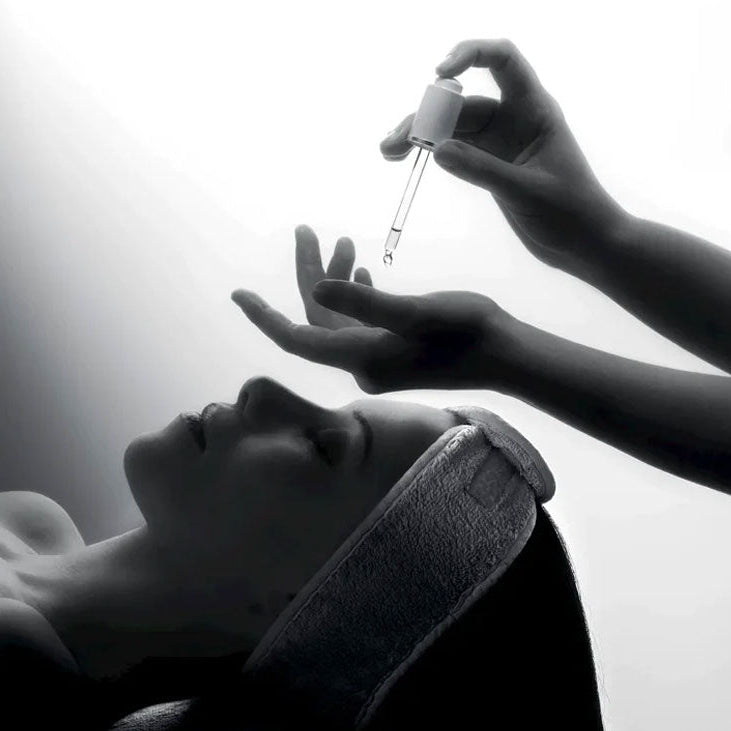
How to use Sérum Erythros: After gentle cleansing, apply four to five drops directly to the areas affected by rosacea, typically the cheeks, nose, and chin. Press gently into the skin with fingertips until fully absorbed. Do not rub, as friction can further sensitize already fragile skin. Use morning and/or evening. It is recommended as an intensive three-month treatment cycle for best results.
An important note: do not apply Lotion P50 on areas affected by rosacea. While P50 is a cornerstone of many Biologique Recherche routines, it is too active for skin experiencing rosacea and should be avoided on those zones.
Masque Biosensible is a calming treatment mask with a fresh, luxurious cream texture that delivers instant relief to sensitive, reactive, or inflamed skin. It is formulated with a concentrated blend of soothing, hydrating, and barrier-repairing ingredients that work to reduce redness, replenish moisture, and restore comfort.
Key actives include Hyaluronic Acid for deep, non-congesting hydration; Squash and Cucumber extracts that reduce inflammation and draw heat away from the skin; Milk Proteins that strengthen the barrier and seal in moisture; and Marine Elastin that supports skin structure and elasticity.
Think of Masque Biosensible as a reset button for your skin. It is particularly effective during flare-ups, after sun exposure, after professional treatments, or any time the skin feels overwhelmed and reactive.
How to use Masque Biosensible: Apply a generous layer to the face, neck, and décolleté after cleansing. Leave on for 15 to 20 minutes. For an enhanced experience, mist with L'Eauxygénante to keep the mask active while it works. Rinse gently with cool water or remove with a soft damp cloth. Use one to three times per week, or more frequently during periods of heightened sensitivity.
Emulsion Gel Biosensible is the daily moisturizer that completes the rosacea protocol. This lightweight, calming emulsion is formulated to bring immediate relief to fragile or weakened skin while providing all-day hydration and barrier protection.
The formula combines Hyaluronic Acid and Natural Moisturizing Factors for sustained hydration; Royal Jelly and Silk Extract for regeneration and soothing; Squash and Kudzu extracts for calming and protection; and Pomegranate Extract as an antioxidant shield against environmental stress.
Emulsion Gel Biosensible works beautifully as the final step in a rosacea-focused routine, locking in the benefits of Sérum Erythros and leaving the skin comfortable, resilient, and calm throughout the day.
How to use Emulsion Gel Biosensible: Apply a small amount to the entire face, neck, and décolleté morning and/or evening, after cleansing, toning, and serum application. Smooth upward gently until fully absorbed. Avoid the eye area. Always follow with broad-spectrum SPF in the morning.
The Complete Rosacea Protocol
Here is how these three products come together as a complete daily and weekly routine for rosacea-prone skin.
Step one: Cleanse gently with Eau Micellaire Biosensible or your recommended Biologique Recherche cleansing milk. Step two: One to three times per week, apply Masque Biosensible for 15 to 20 minutes and rinse. Step three: Apply four to five drops of Sérum Erythros to affected areas, pressing gently into the skin. Step four: Smooth Emulsion Gel Biosensible over the face, neck, and décolleté. Step five: Apply broad-spectrum SPF every morning without exception.
This protocol is designed to be consistent, gentle, and cumulative. Rosacea management is not about one product or one treatment. It is about building a daily practice that respects your skin's sensitivity while actively working to reduce inflammation and strengthen resilience over time.
Why Professional Guidance Matters
Rosacea is a complex condition, and what works for one person may not work for another. Triggers vary, severity varies, and the right combination of products depends on your skin's unique characteristics in real time, not a generalized recommendation.
This is why we offer the Skin Instant Lab consultation at both our Tribeca and Upper East Side locations. The Skin Instant Lab is a diagnostic tool developed by Biologique Recherche that measures key parameters of your skin's current condition, including hydration levels, sebum production, melanin distribution, and skin elasticity. The results provide a precise, data-driven foundation for building a protocol that is truly personalized to your skin.
Whether you have been managing rosacea for years or are just beginning to suspect that your persistent redness might be more than just sensitivity, a professional assessment is the most effective starting point.
April is the perfect time to take the first step toward calmer, healthier skin. Book a Skin Instant Lab consultation at Aida Bicaj Skincare in Tribeca or on the Upper East Side and discover the Biologique Recherche protocol your skin has been waiting for.
Visit aidabicaj.com to shop our recommended rosacea products and schedule your appointment.
We give so much attention and care to the skin on our face, but Aida’s approach has always been head to
toe.
The neck. The chest. The arms. The elbows and knees. The stomach...
When it comes to results-driven skincare, few brands have earned the trust of skin professionals quite like Environ. Developed by renowned plastic surgeon Dr. Des Fernandes, Env...
Valmont is one of the most serious names in Swiss skincare. Since 1985, the house has built its reputation on cellular science: DNA and RNA complexes, glacial water, and formula...